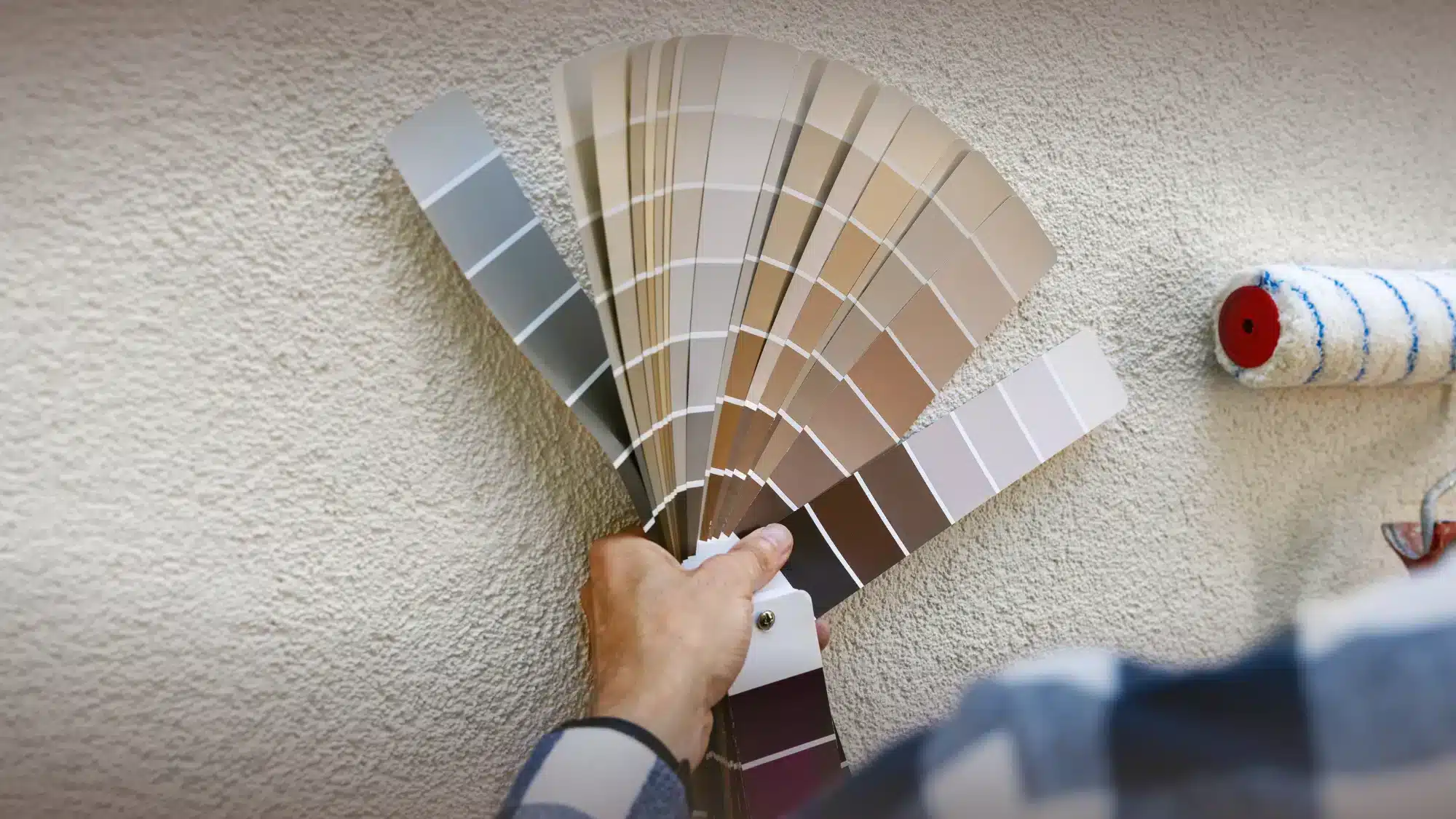
Your exterior color influences much more than curb appeal. It can highlight architectural details, complement your roof and landscaping, and completely change how large or welcoming a property appears.
With the variety of synthetic stucco colors available today, Florida homeowners have considerable freedom to move beyond a one-size-fits-all exterior. From understated coastal neutrals to richer accent shades, the goal is to create a palette that works with your property rather than simply choosing a color because it looks good on a sample.
At CDP Stucco, we help Northwest Florida property owners explore stucco colors and finishes that complement their individual design goals.
Start With the Character of Your Home
Before comparing individual colors, look at the features that aren’t changing.
Your roof, windows, doors, stonework, trim, and surrounding landscape already create a color palette. The stucco should connect these elements rather than compete with them.
For example, warm beige or sand tones can complement traditional architecture and natural landscaping, while whites and subtle grays can create cleaner contrast on contemporary properties. Deeper colors can provide dramatic visual impact, particularly when paired strategically with lighter trim.
CDP Stucco notes that stucco offers extensive color possibilities, making it adaptable to numerous architectural and personal design styles.
Think Beyond a Single Color
A customized exterior doesn’t necessarily mean covering every wall in an unusual shade.
Sometimes the strongest designs begin with a versatile primary color and use contrast selectively. Trim, columns, entryways, architectural bands, or other exterior details can provide opportunities for complementary shades.
This gives you several ways to approach synthetic stucco colors:
- Keep the body neutral and introduce contrast through trim.
- Coordinate warm exterior tones with stone or brick features.
- Pair darker shades with lighter architectural accents.
- Use related shades to create subtle dimension without overwhelming the façade.
The objective is cohesion. Every exterior component should feel as though it belongs to the same overall design.
Consider How Florida Sunlight Changes Color
A color sample viewed indoors doesn’t always tell the complete story.
Northwest Florida’s strong natural light can change how a shade appears throughout the day. A color may look warmer in direct afternoon sunlight, cooler in shade, or noticeably different next to surrounding landscaping and building materials.
CDP Stucco recommends considering lighting and environmental surroundings when choosing stucco colors. Lighter colors can also be practical choices, while darker colors may make weathering, impacts, and normal irregularities more noticeable.
Looking at samples under the property’s actual conditions can therefore make the final decision easier.
Let Texture Work With Your Color
Color is only half of the exterior design.
Stucco texture changes how light and shadow interact with a wall, meaning the same shade can appear different depending on the finish. A smoother surface can support a clean contemporary appearance, while more pronounced texture introduces depth and character.
This is where selecting color and texture together becomes especially important. Instead of treating them as separate decisions, consider how both contribute to the architectural style you’re trying to achieve.
Traditional and synthetic systems can provide a range of color and texture possibilities, although CDP Stucco generally recommends traditional hard-coat stucco for its durability and overall quality.
Updating the Color of Existing Stucco
You may not need an entirely new stucco system simply because you’re ready for a different exterior color.
For existing stucco, a redash or skim can refresh the acrylic topcoat and provide an opportunity to change both color and texture. CDP Stucco recommends this approach over simply painting stucco because it preserves the characteristics of the finish while providing a refreshed appearance.
The company can also match Sherwin-Williams colors for new installations or reskims, substantially expanding the possibilities beyond standard manufacturer selections.
Bring Your Exterior Design Together
Choosing among synthetic stucco colors is ultimately about finding a combination that feels appropriate for your property, architecture, and personal style.
Whether you’re considering synthetic or traditional stucco, the color shouldn’t be selected in isolation. Texture, sunlight, permanent exterior features, and the type of stucco system all influence the finished result.
If you’re planning a new stucco installation or refreshing an existing exterior in Northwest Florida, contact CDP Stucco to discuss your project and explore the color and finish options available for your property.