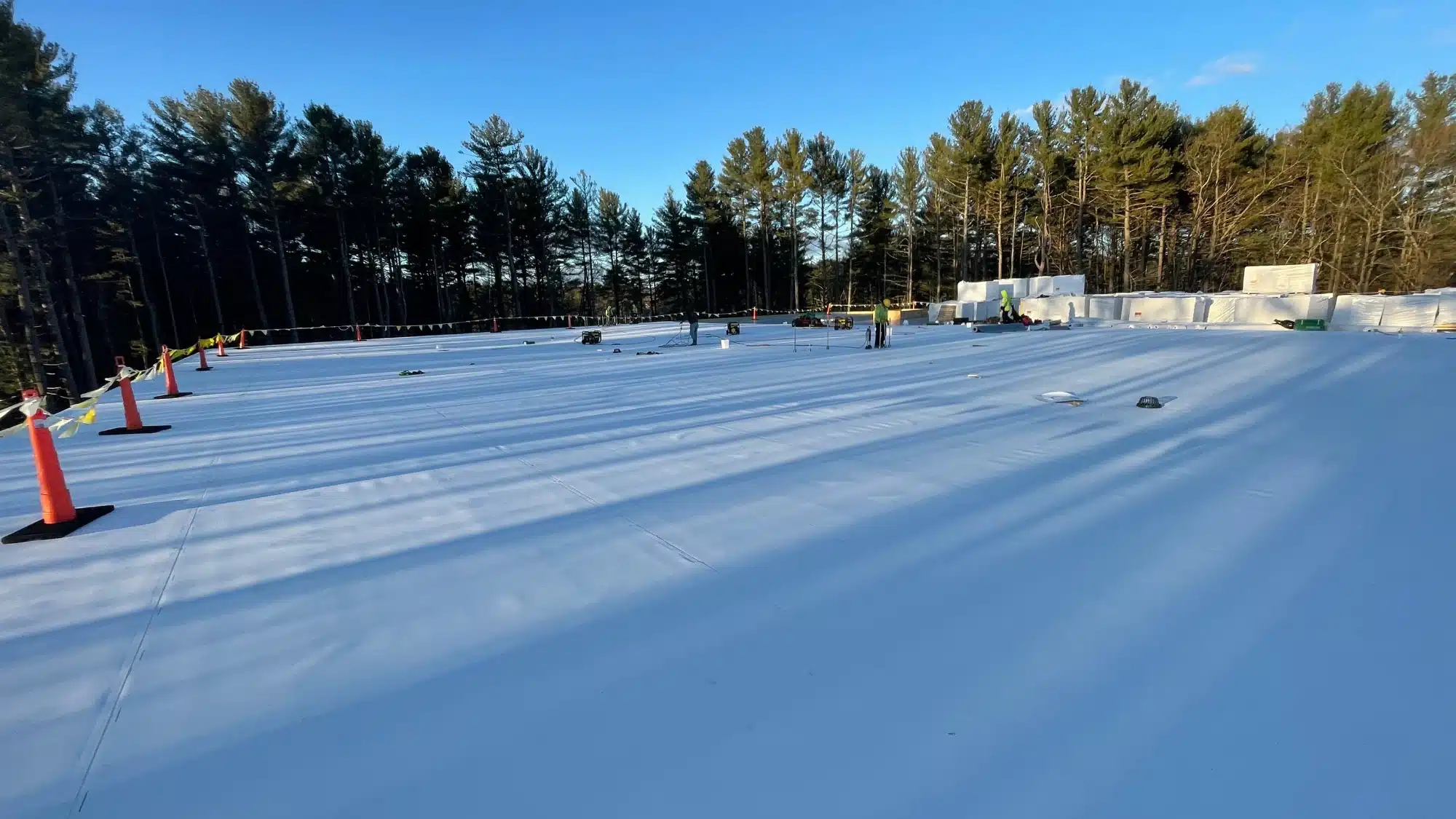
October gives commercial property owners in Groton, CT, an opportunity to review roofing concerns before colder weather arrives. Persistent leaks, aging membranes, and drainage problems may indicate that repairs alone are insufficient.
Planning re-roofing for commercial buildings requires careful evaluation of existing conditions, materials, and project scheduling. Pawcatuck Commercial Roofing helps businesses assess their roofing needs and explore solutions suited to their properties.
Understanding the Current Roof Condition
Before selecting materials, determine whether the existing roof can support continued repairs or requires more extensive work.
A professional commercial roof inspection can help identify deterioration that may not be visible from ground level.
Important areas to evaluate include:
- Membrane punctures, cracks, or separating seams
- Standing water around drains and low areas
- Deteriorated flashing near rooftop equipment
- Moisture intrusion affecting insulation
- Previous repairs showing recurring problems
Inspection findings help determine whether targeted commercial roof repairs remain practical or a larger project is appropriate.
Building owners should also review maintenance records and previous leak reports before making decisions.
Evaluating Material Options
Different roofing systems offer advantages depending on building configuration, insulation requirements, and environmental exposure.
Popular Materials for Commercial Roofs:
- EPDM Rubber: A flexible membrane commonly used on low-slope roofs, offering resistance to various weather conditions.
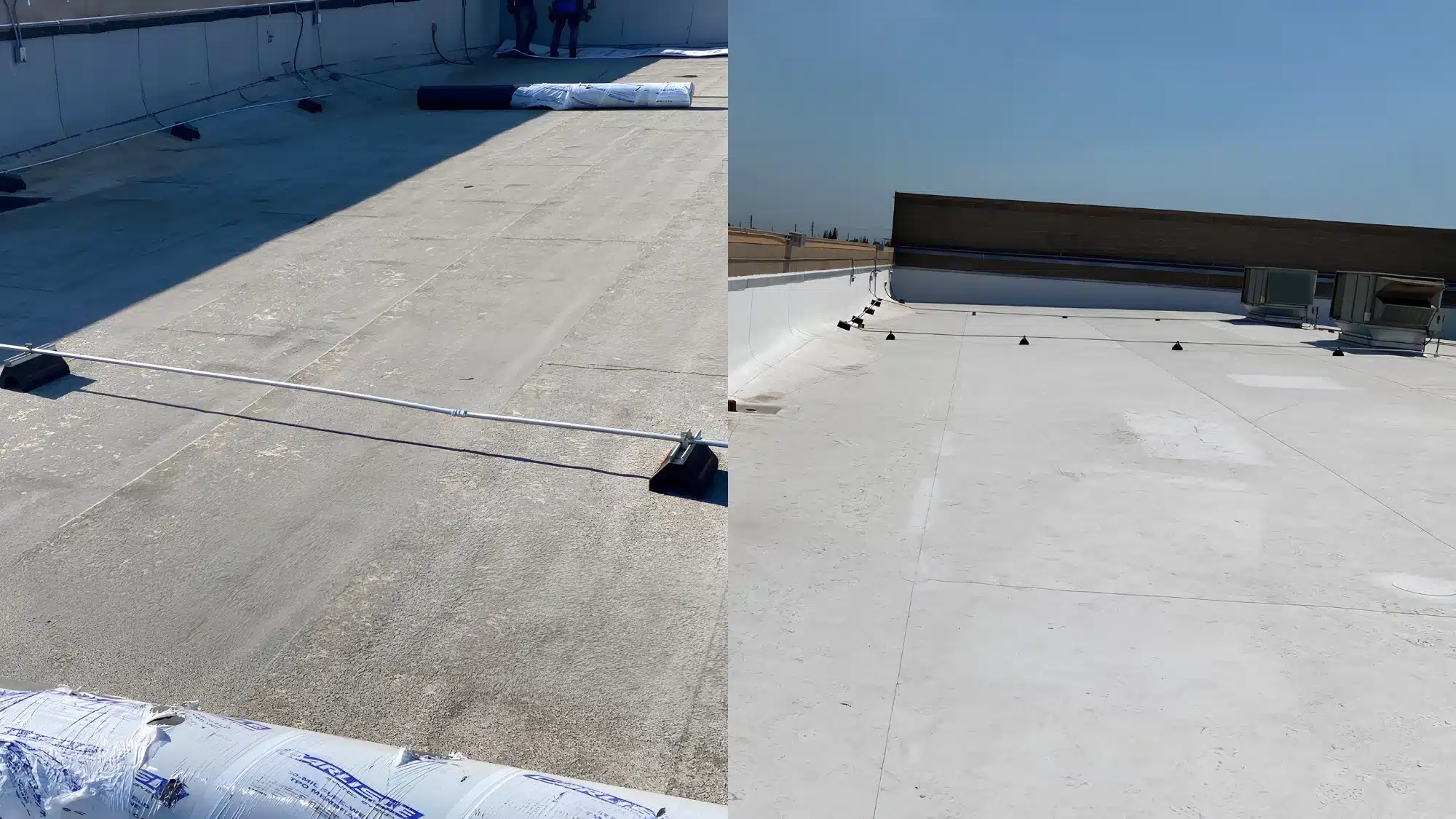
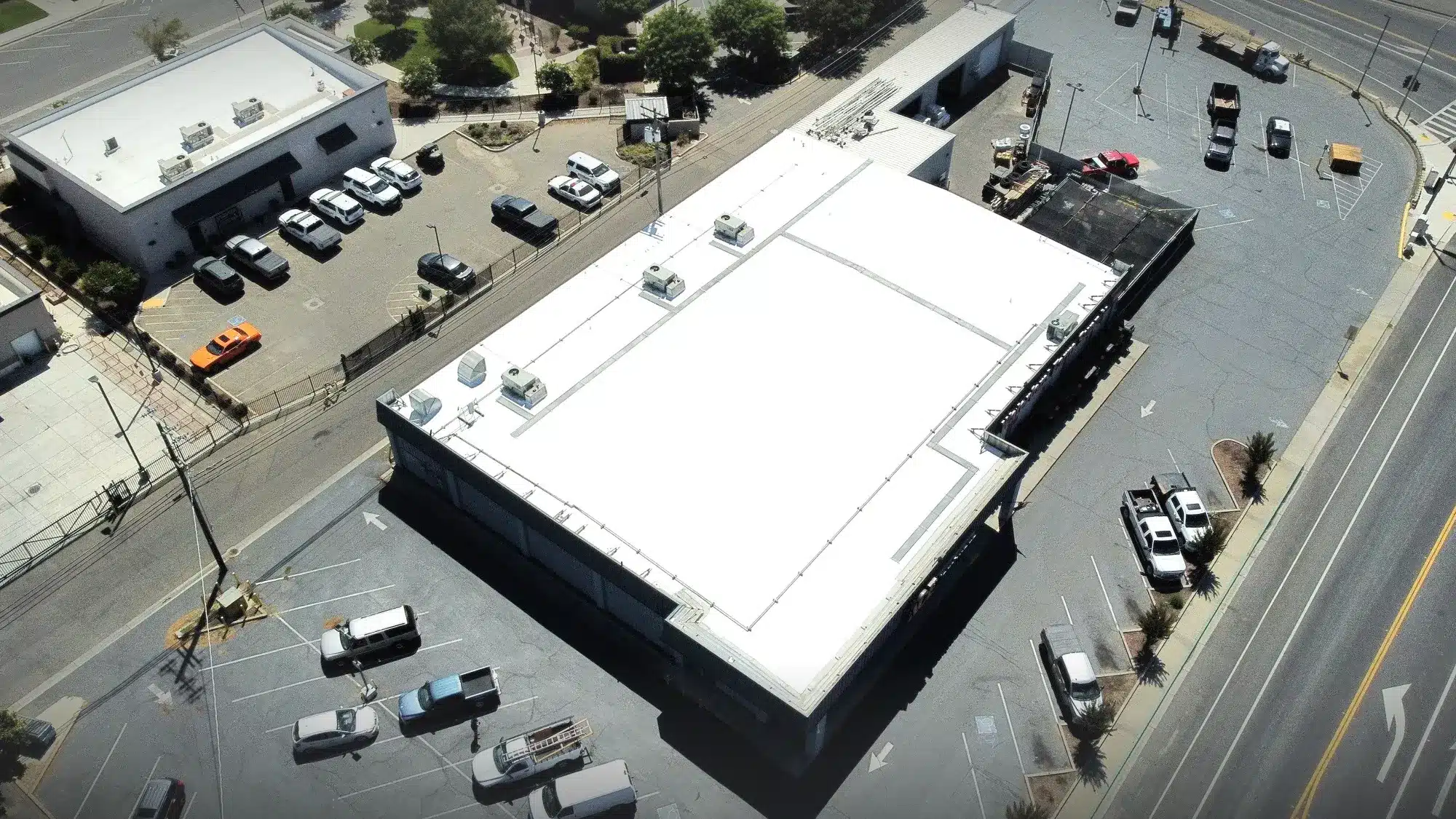
- TPO: A single-ply membrane often selected for its reflective surface and heat-welded seams.
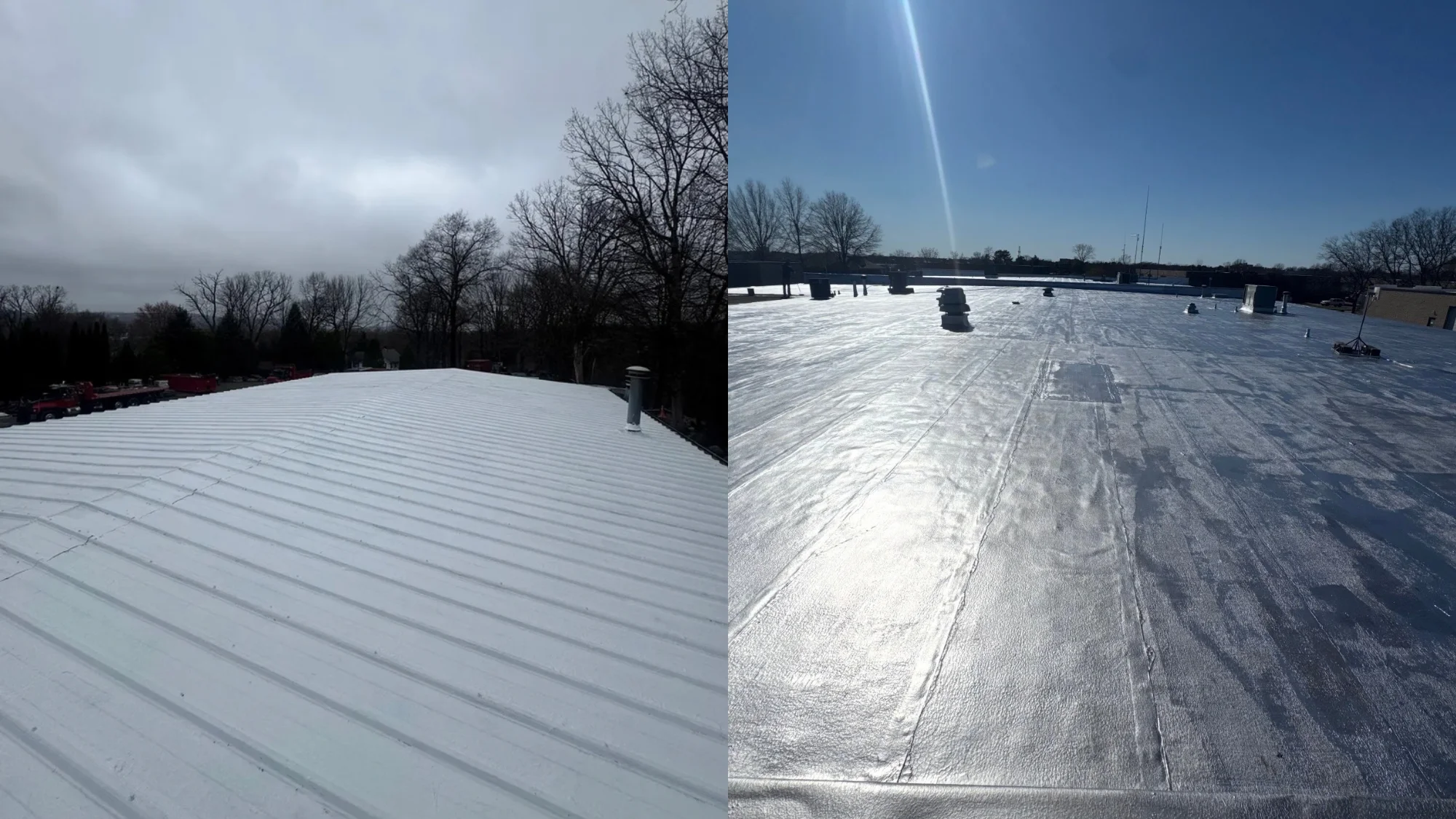
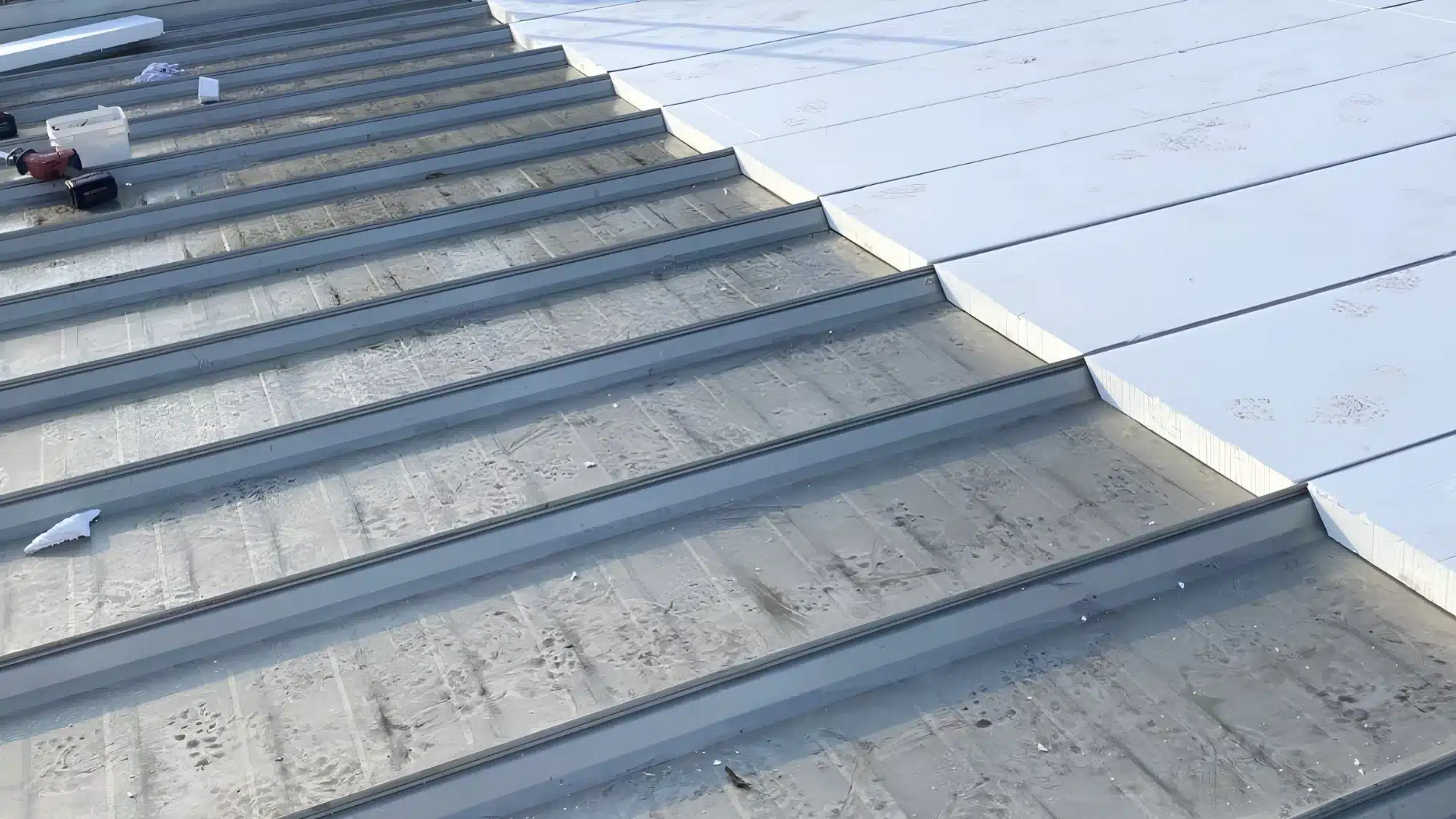
- Metal Roofing: A durable option for appropriately designed structures, with installation requirements depending on roof slope and system design.
Pawcatuck Commercial Roofing works with commercial roofing systems including EPDM and TPO.
Material selection should also account for drainage performance, rooftop equipment, existing deck conditions, and manufacturer installation requirements.
For severely deteriorated systems, commercial roof replacement may be more appropriate than additional repairs.
Questions to Ask Your Roofing Contractor
A detailed contractor discussion helps property managers understand project responsibilities before approving work.
Consider asking:
- What inspection findings support the recommended roofing approach?
- Will existing materials need removal before installation?
- How will the project affect building access and daily operations?
- What warranties apply to materials and workmanship?
- How will weather delays and unexpected deck damage be handled?
Request a written scope describing materials, preparation, drainage considerations, and anticipated scheduling.
Reviewing a contractor’s experience and qualifications can also help you evaluate its suitability for your building.
Timing Your Re-Roofing Project
October can be useful for planning, but successful installation depends on actual weather conditions and material specifications.
Temperature, precipitation, moisture, and wind can influence roofing schedules. Certain adhesives and installation methods have specific environmental requirements.
Property managers should coordinate roofing work around deliveries, tenant access, and business operations.
When immediate installation is impractical, discuss temporary protection, necessary repairs, and a future installation schedule.
Pawcatuck Commercial Roofing has provided commercial and industrial roofing services since 1946, offering experience with projects of varying complexity.
Frequently Asked Questions
What are the signs my commercial roof needs re-roofing?
Recurring leaks, deteriorated membranes, trapped moisture, and extensive damage may indicate the need for re-roofing. Professional evaluation determines the appropriate solution.
How often should a commercial roof be replaced?
Roof lifespan varies according to materials, installation quality, exposure, and maintenance. Inspection findings provide better guidance than age alone.
What permits are required for a re-roofing project?
Requirements depend on the project scope and applicable municipal regulations. Confirm permitting responsibilities with your contractor and Groton’s building department.
Can re-roofing improve energy efficiency?
Potentially. Improved insulation and suitable reflective materials may reduce energy demand, depending on the building and roofing system.
Prepare your commercial property for changing weather with informed roofing decisions. Contact Pawcatuck Commercial Roofing to discuss your building’s condition, explore re-roofing options, and request a project consultation.