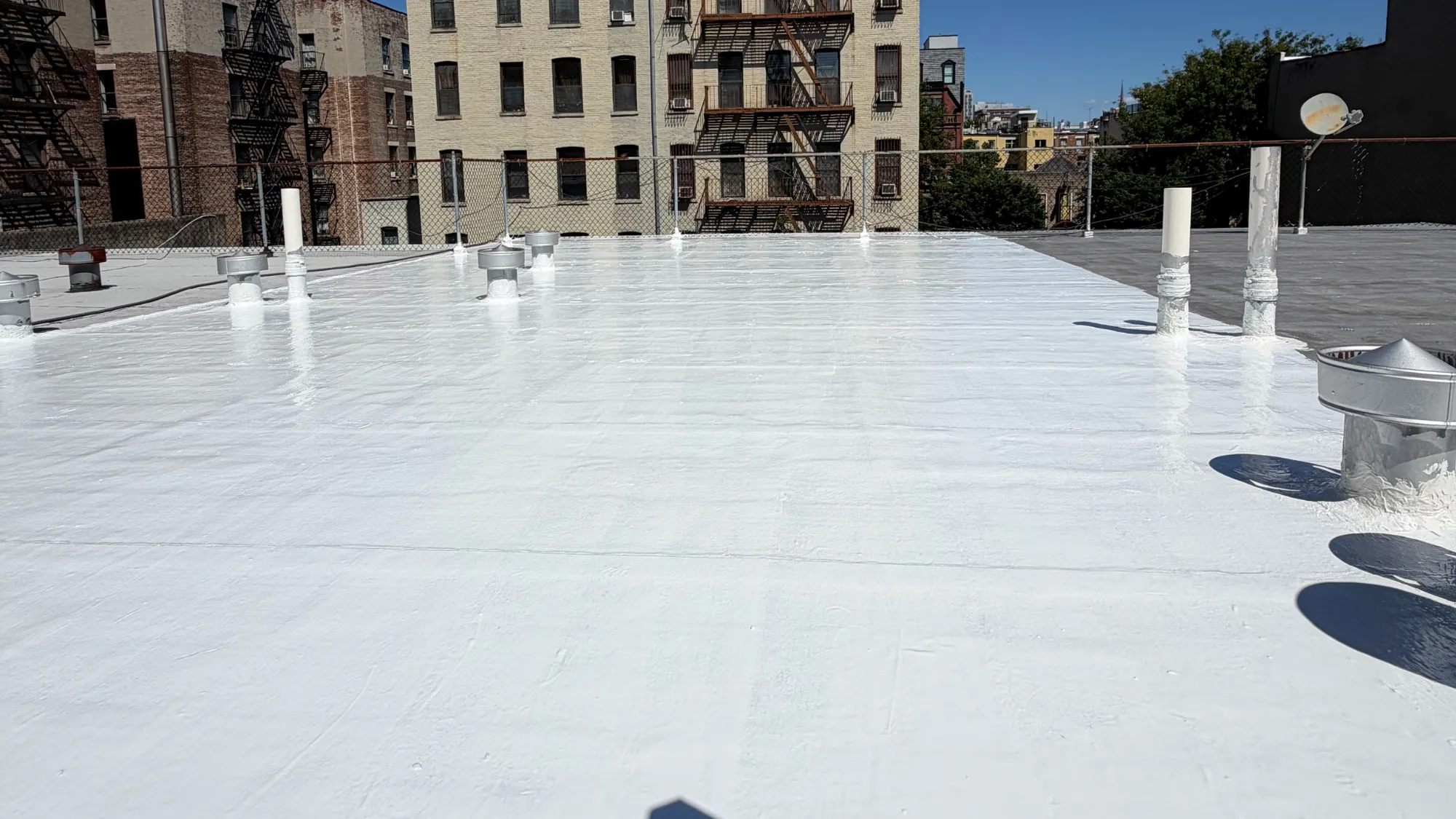
A flat roof needs more than a durable membrane to protect a New York City building. Rainfall, melting snow, rooftop equipment, and surrounding walls all influence how water moves across the surface. Before arranging flat roof installation in NYC, review the drainage design and waterproofing details with your contractor.
At City Island Roofing, we install and maintain low-slope roofing systems for residential and commercial properties. Understanding the installation plan helps owners compare proposals and prepare for long-term maintenance.
Why Drainage Comes First
Despite the name, a flat roof should have sufficient slope to direct water toward approved outlets. Standing water can place stress on membranes and expose weak seams or flashing.
Common drainage components include:
- Tapered insulation: Helps create a drainage slope where appropriate
- Internal drains: Collect water at designed low points
- Scuppers: Allow drainage through designated wall openings
- Gutters and leaders: Carry water away from suitable roof edges
The correct layout depends on roof dimensions, structural design, and existing plumbing. Our commercial roofing services include installation and maintenance for NYC properties.
Plan for Overflow Protection
A blocked drain can allow rainwater to accumulate. NYC building rules require secondary emergency drainage in certain roof configurations, including situations where parapet walls could trap water.
Ask a qualified design professional how the project addresses drain sizing, overflow outlets, and roof loads. Avoid assuming a single extra drain satisfies every building’s requirements.
Choose the Appropriate Waterproofing System
City Island Roofing works with EPDM rubber, TPO membranes, and modified bitumen. Each material has installation methods and performance considerations that should be matched to the building.
EPDM offers a flexible rubber surface. TPO uses heat-welded seams and commonly has a reflective finish. Modified bitumen uses layered asphalt-based materials and may suit certain high-traffic arrangements.
Review our roofing system comparison when considering durability and energy performance.
Pay Attention to Vulnerable Details
Leaks often develop around drains, roof edges, vents, skylights, equipment supports, and wall transitions. A good installation plan should explain how flashing and membrane seams will be secured.
Ask whether existing insulation or decking needs repair before new materials are installed. Covering damp or damaged layers without investigation can conceal problems rather than resolve them.
Prepare for NYC Installation Requirements
Roofing work may require permits, professional design, inspections, and coordination with building occupants. Requirements depend on the project scope and property type.
Before approving a proposal:
- Confirm the roof condition and intended drainage layout.
- Compare membrane options and manufacturer requirements.
- Review flashing, penetration, and overflow details.
- Ask about access, safety, scheduling, and disposal.
- Obtain written pricing, warranties, and maintenance recommendations.
City Island Roofing outlines its project communication approach for property owners evaluating roofing work.
Frequently Asked Questions
What materials are best for flat roof waterproofing?
EPDM, TPO, and modified bitumen can perform well when matched to the building and installed correctly. No single system is best everywhere.
How often should a flat roof drainage system be inspected?
Twice yearly is a useful starting point, with additional checks after major storms or heavy debris accumulation.
Can I retrofit drainage solutions in an existing flat roof?
Sometimes. A professional must assess slope, structure, drainage connections, and applicable code requirements before recommending changes.
How long does waterproofing typically last on a flat roof?
Lifespan varies by membrane, installation quality, exposure, and maintenance. Review manufacturer documentation rather than relying on a universal figure.
Why is it critical to address drainage and waterproofing specifically in NYC?
Dense buildings, parapets, heavy rain, and rooftop equipment can complicate water movement and increase the importance of detailed design.
Discuss Your Flat Roof Project
Before scheduling flat roof installation in NYC, contact City Island Roofing to discuss your building, drainage concerns, and a project-specific estimate.