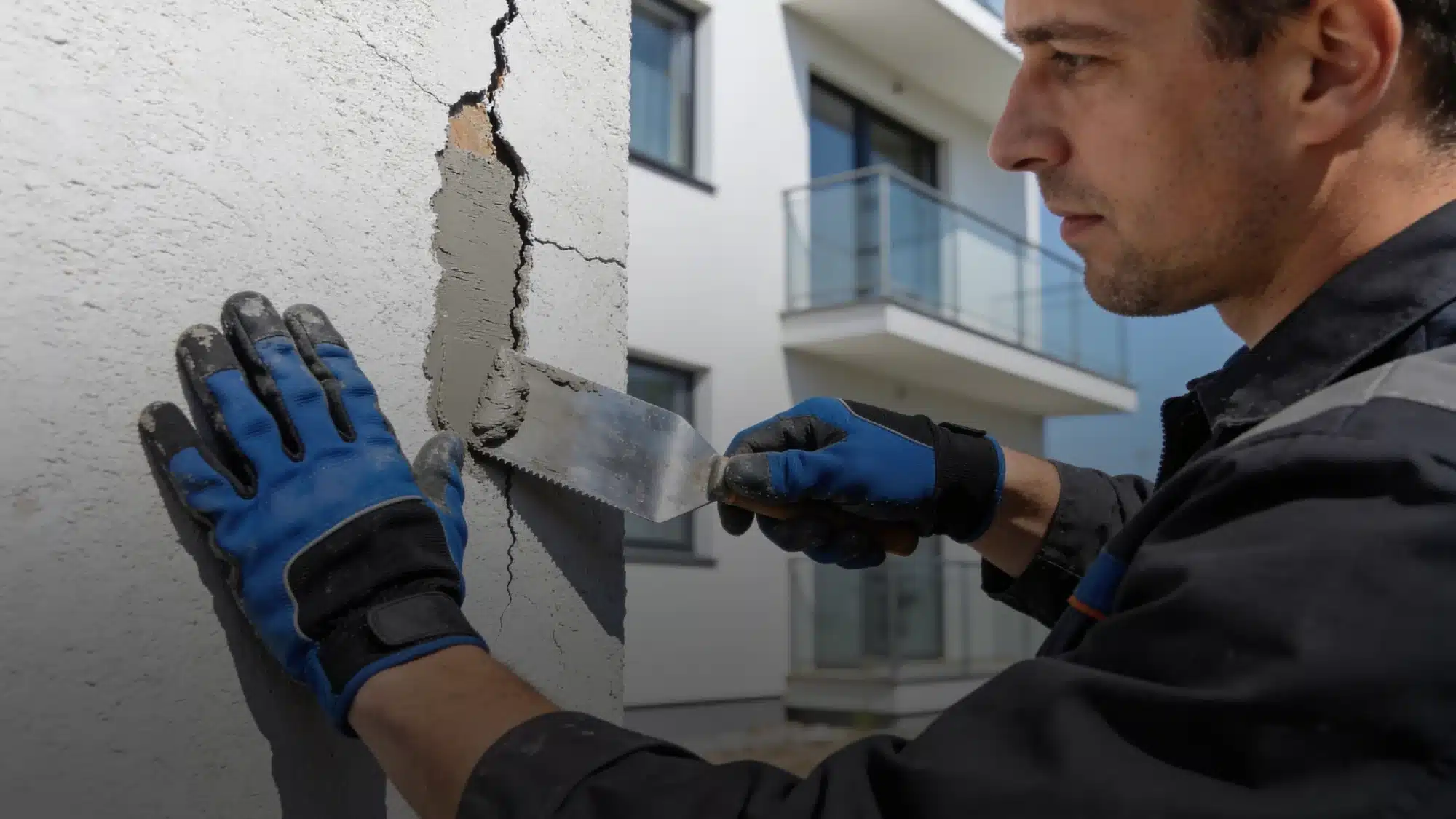
A thin crack beside a window may be easy to overlook during routine yardwork. But October is a useful reminder to inspect exterior surfaces in Fort Walton Beach and surrounding Northwest Florida communities. If you’ve been searching for “stucco crack repair near me,” scheduling an assessment now can help you understand whether that line is superficial or a sign of a larger moisture problem.
Why October Deserves a Place on Your Stucco Calendar
Florida’s Gulf Coast doesn’t follow the chilly fall pattern described in northern home-maintenance guides. October can still bring heavy rain or tropical weather, and the Atlantic hurricane season continues through November. The National Weather Service’s regional climate outlook is a helpful reminder to plan outdoor work around actual conditions, not simply the calendar.
This doesn’t mean every crack becomes an emergency in October. It means a seasonal inspection gives homeowners a chance to document changes and arrange repairs before additional exposure complicates the situation.
Which Cracks Should You Flag First?
Start with areas where water could enter or where a crack appears to be changing. Check the stucco around windows, doors, wall penetrations, and transitions between building materials. Look for:
- Cracks that widen, branch, or return after previous patching
- Loose, bulging, or crumbling stucco around the damaged area
- Staining or damp patches near an exterior crack
- Damaged sealant around openings or adjoining materials
Take dated photographs and note whether signs appear after rainfall. Interior discoloration can have several causes, so don’t assume a visible exterior crack explains every moisture issue. The EPA’s guidance on moisture and mold emphasizes addressing the source of unwanted water rather than treating visible symptoms alone.
What an Early Repair Appointment Can Clarify
A contractor should determine what needs attention before choosing a patching method. CDP Stucco’s stucco repair services cover cracks, moisture damage, and deterioration associated with improper installation. An assessment may reveal a localized finish problem, or it may indicate that adjacent materials also need examination.
Ask the contractor to explain the suspected cause, recommended repair area, and whether further investigation is needed. These answers are more useful than selecting filler based only on the width of the crack.
Prepare for the Visit Without Attempting the Repair
Before booking, make a short record of the problem:
- Photograph each damaged area from nearby and farther away.
- Note when you first saw the crack and whether it has changed.
- Identify windows, gutters, or drainage points near the damage.
- Clear safe access to the wall, without removing loose material yourself.
CDP Stucco’s guide to patch repairs explains why some damage may call for professional attention. Avoid coating over damp or deteriorating areas simply to make them look better before an inspection.
Plan the Finish as Well as the Fix
Even sound repairs may look different from surrounding stucco. Discuss texture, color matching, and whether a larger wall section needs treatment for a more consistent appearance. Reviewing CDP Stucco’s project gallery can help you prepare questions about the finished result.
A useful estimate should also identify the repair locations, preparation work, material choices, and expectations for cleanup. Ask how weather delays will be handled and whether any additional damage found during the job would require your approval before the scope or price changes.
Ready to Put Crack Repair on the Calendar?
If your home is within CDP Stucco’s Northwest Florida service area, October is a sensible time to identify concerns and discuss scheduling, subject to weather and project needs. Contact CDP Stucco to request a free estimate for crack or moisture-related repairs. Share your photos and observations so the team can discuss the next appropriate step for your exterior.