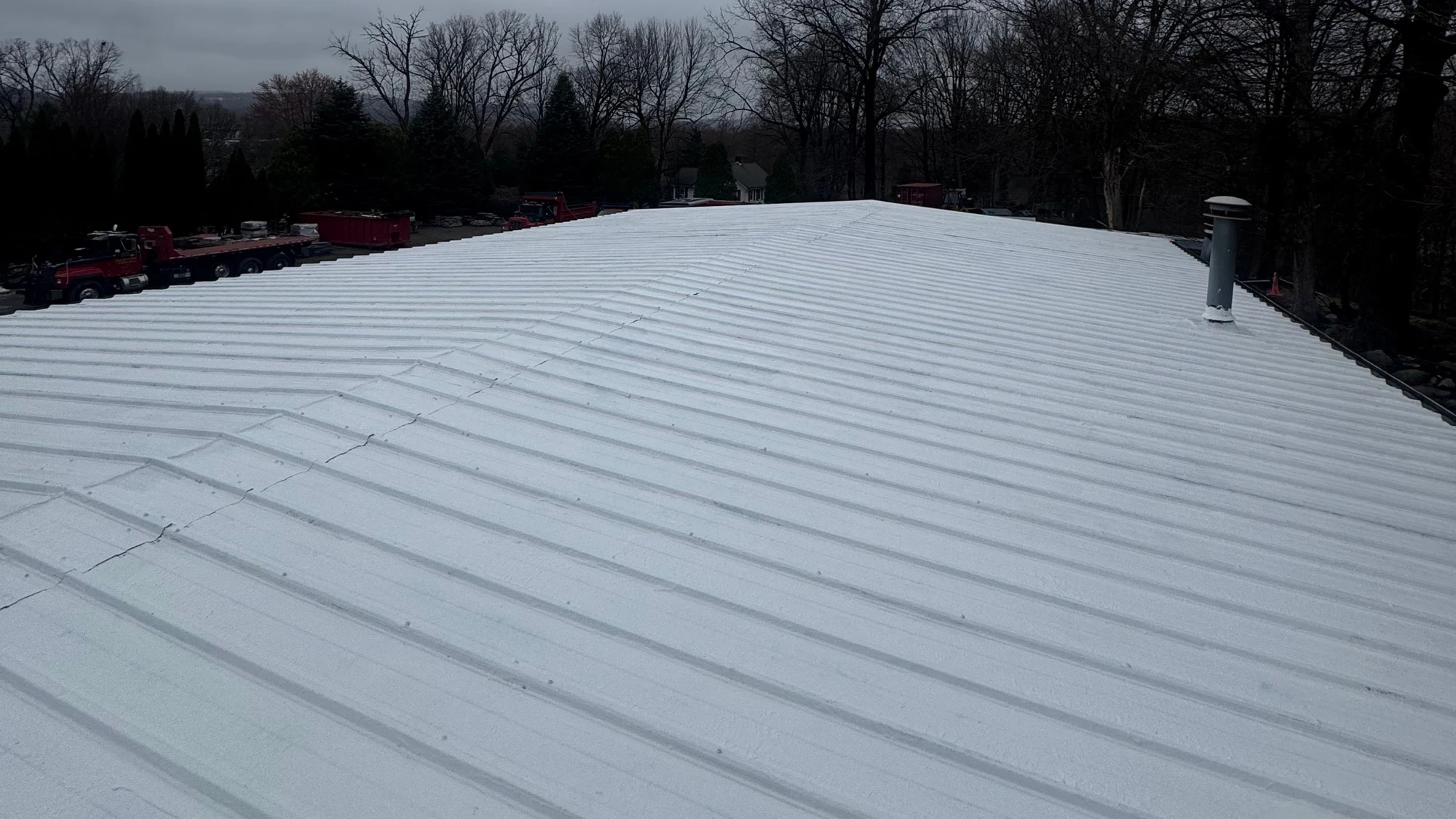
In the bustling landscape of New York City, commercial buildings and their roofing systems play a vital role in safeguarding businesses. Understanding what factors influence commercial roofing costs is crucial for any business owner or facility manager. At City Island Roofing, we aim to provide you with clear and comprehensive insights that will help you choose a trusted commercial roofing contractor New York City businesses can rely on.
Roof Size and Accessibility
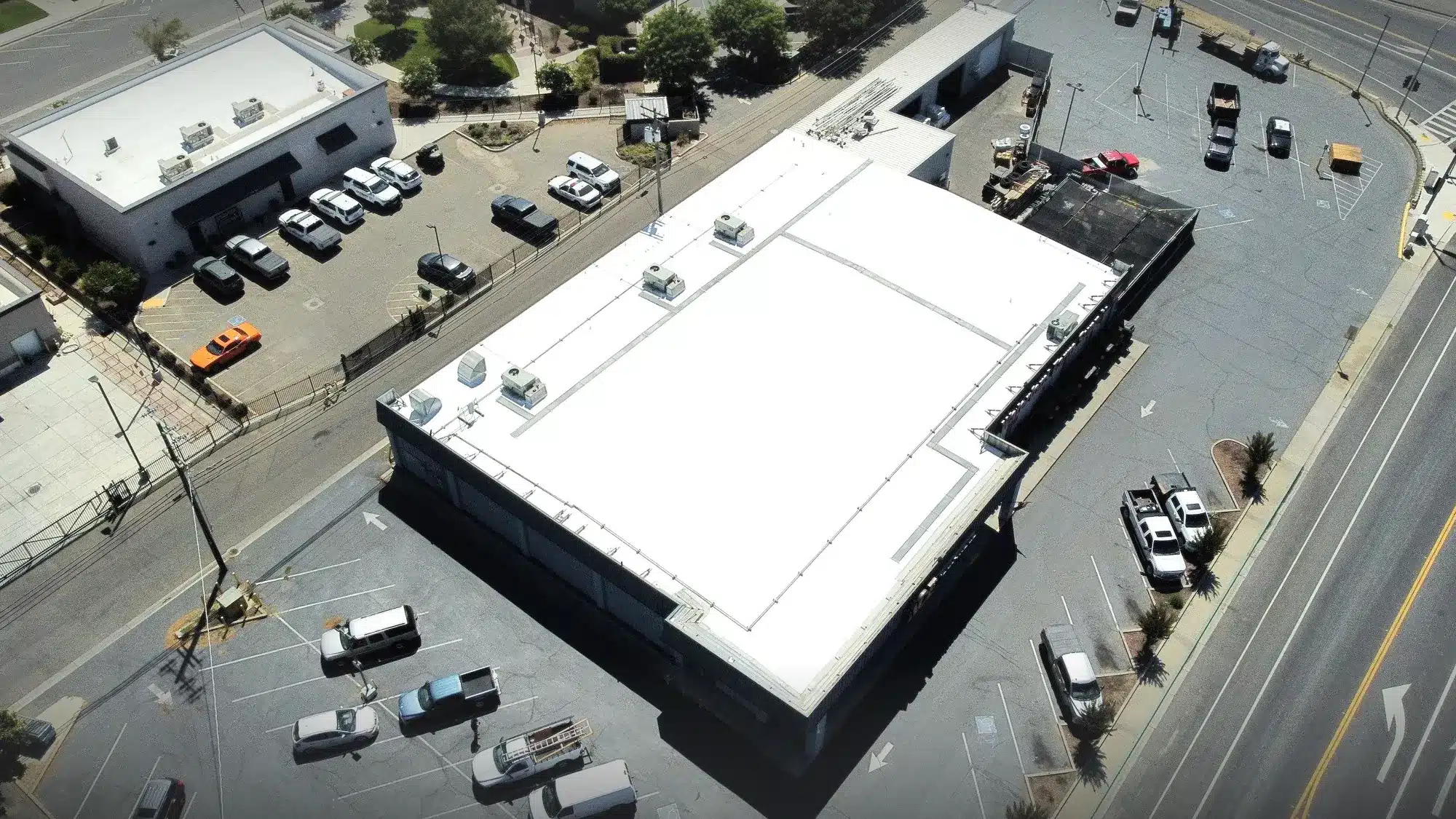
The size of your commercial roof is a significant determinant of the overall project cost. Larger roofs naturally require more materials, labor, and time, which increases expenses. In urban environments like New York City, accessibility adds another layer of complexity. High-rise buildings often require specialized equipment and enhanced safety measures, impacting labor and logistics costs.
Accessibility also affects how efficiently materials and workers reach the roof. Buildings with limited access points or those surrounded by neighboring structures may require cranes or specialized lifting equipment. These factors are carefully considered by an experienced commercial roofing contractor New York City property owners trust.
Additionally, roof obstructions, complex layouts, and existing structural conditions require careful planning before work begins. City Island Roofing evaluates every project thoroughly to provide accurate estimates and help minimize unexpected delays.
Material Selection
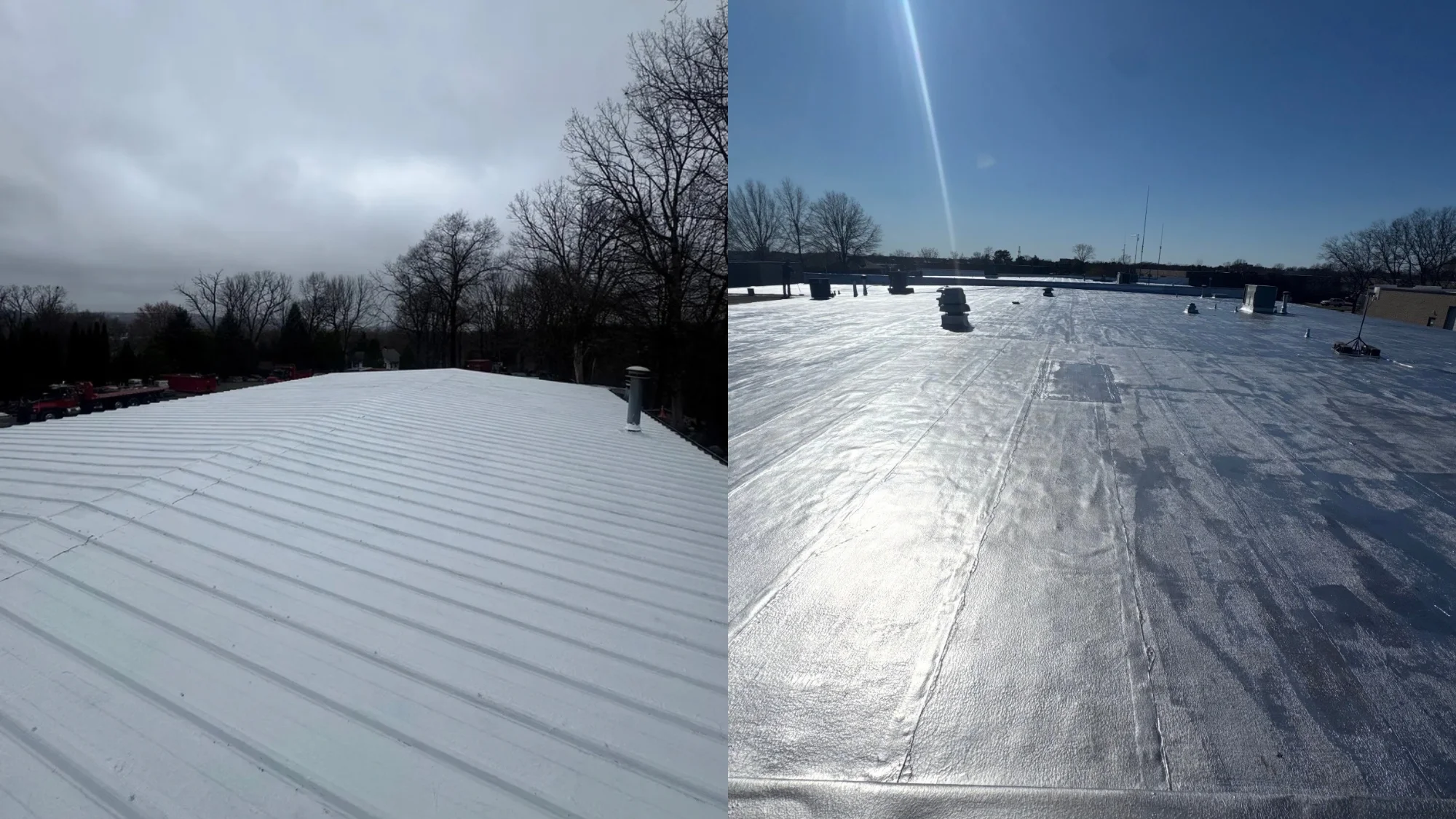
Choosing the right roofing material significantly impacts the overall cost of a commercial roofing project. Popular commercial roofing systems in New York City include TPO, EPDM, PVC, and metal roofing, each offering different benefits related to durability, energy efficiency, maintenance requirements, and installation complexity.
An experienced commercial roofing contractor New York City businesses depend on will help determine which material best fits your building’s needs, budget, and long-term goals.
Although premium materials often require a larger initial investment, they frequently provide greater durability and lower maintenance costs over time. Investing in quality roofing materials can improve long-term value while helping protect your building against New York City’s challenging weather conditions.
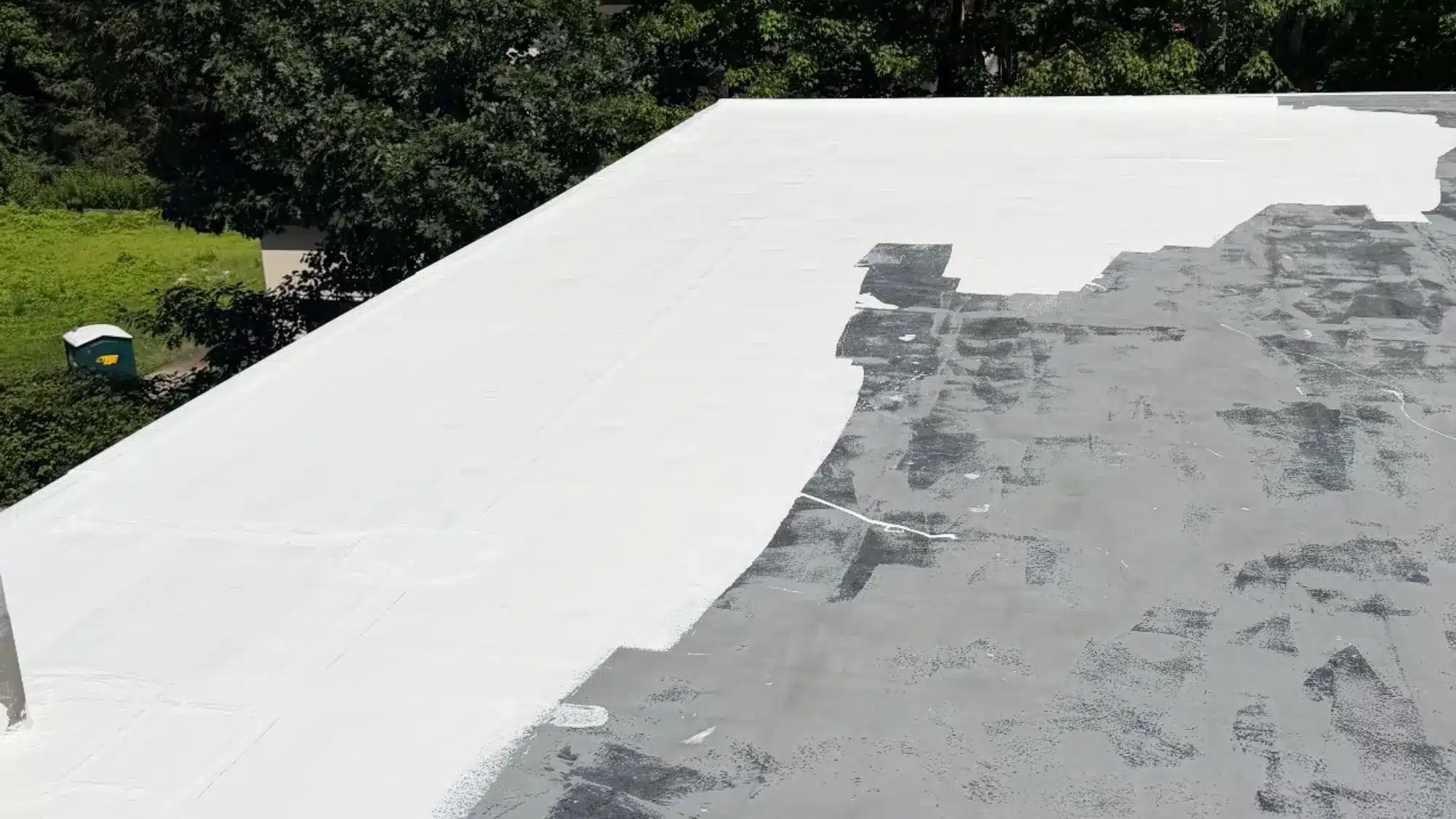
Additionally, energy-efficient roofing systems and reflective roofing materials may help reduce utility costs while supporting sustainability initiatives.
Structural Requirements and Repairs
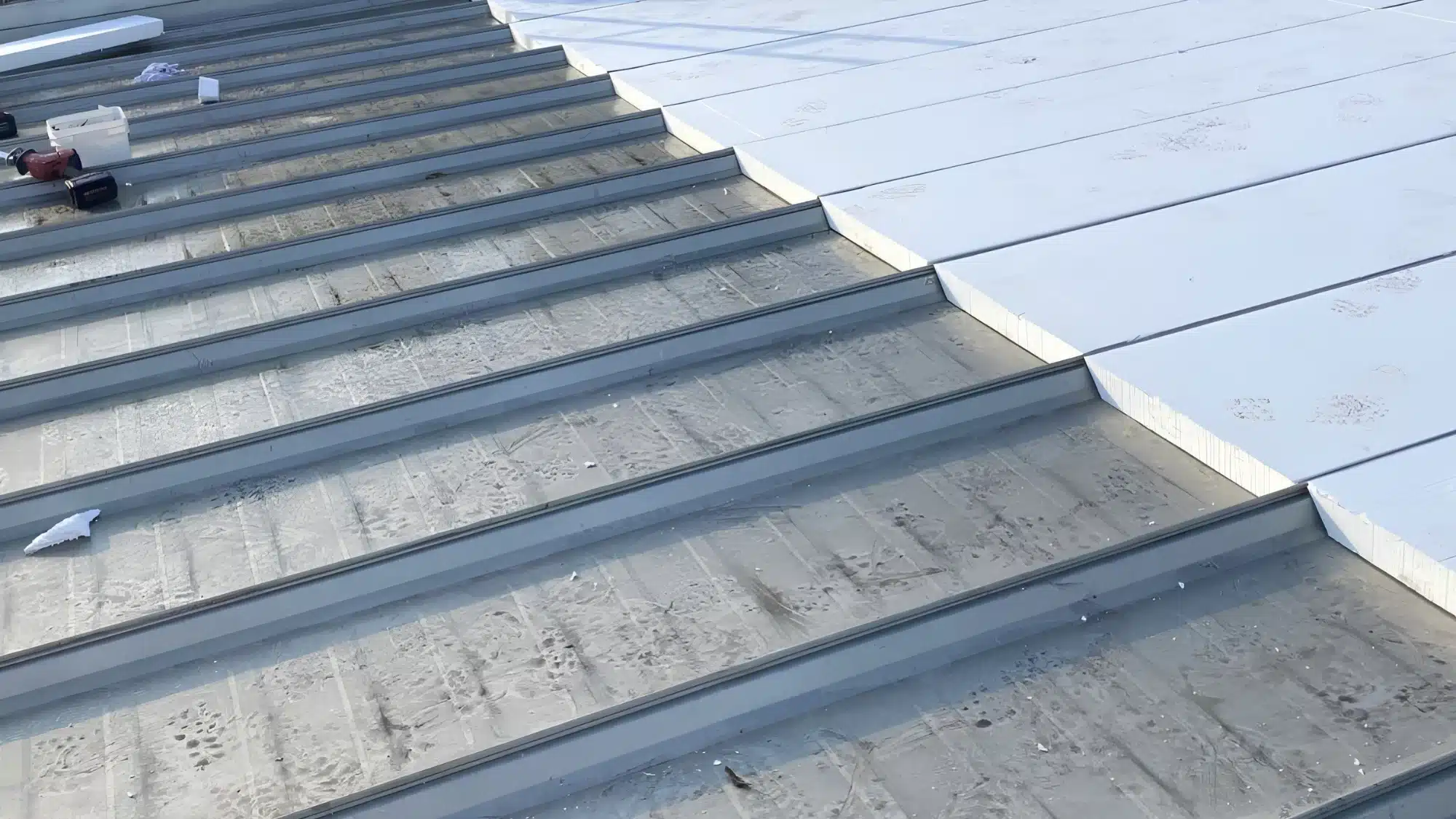
Before any new commercial roofing system is installed, the existing roof structure should be thoroughly evaluated. Many older New York City buildings require structural repairs or reinforcement before a new roofing system can be safely installed.
Repairs may include replacing damaged roof decking, improving drainage systems, or reinforcing structural components. Addressing these issues before installation helps prevent future water damage and extends the lifespan of the roofing system.
At City Island Roofing, every commercial roofing project begins with a comprehensive inspection to identify any underlying structural concerns, allowing property owners to make informed decisions before construction begins.
Labor Costs
Labor costs in New York City are generally higher than national averages due to the area’s cost of living, building regulations, and specialized workforce requirements. Commercial roofing projects often require experienced professionals who understand local building codes and industry safety standards.
Many projects also involve union labor, which contributes to overall project costs while ensuring highly trained workers complete the installation properly.
Working with an experienced commercial roofing contractor that New York City businesses trust helps ensure quality workmanship, code compliance, and long-lasting roofing performance that protects your investment.
Permit and Disposal Fees
Permit requirements and disposal costs are additional factors that influence commercial roofing expenses throughout New York City. Roofing permits vary depending on the project’s size and complexity, and obtaining the proper approvals is essential before work begins.
Removing old roofing materials also generates disposal costs, particularly when materials require environmentally responsible recycling or disposal methods.
City Island Roofing manages these administrative requirements throughout the project, helping clients remain compliant with local regulations while minimizing unnecessary delays.
Weather and Timing
Project timing can have a considerable impact on commercial roofing costs. New York City experiences a wide variety of weather conditions, including hot summers, heavy rainfall, snow, and freezing temperatures, all of which can affect installation schedules.
Planning roofing work during favorable weather conditions often helps improve efficiency and reduce weather-related interruptions. However, peak construction seasons may also increase pricing due to higher demand.
An experienced commercial roofing contractor will carefully schedule projects while accounting for seasonal conditions to help keep work on schedule without sacrificing quality.
Conclusion
Understanding the many factors that influence commercial roofing costs helps business owners make informed investment decisions. Roof size, accessibility, material selection, structural repairs, labor, permits, disposal, and weather all contribute to the overall project budget.
By partnering with City Island Roofing, you gain an experienced commercial roofing contractor that New York City businesses trust for quality workmanship, dependable service, and accurate project planning. Whether you need a roof replacement, repairs, or a comprehensive commercial roofing evaluation, City Island Roofing is committed to delivering reliable solutions that protect your investment for years to come. Contact City Island Roofing today to discuss your commercial roofing project and receive expert guidance tailored to your building’s needs.