The fall season is an important time for homeowners in Waterford, CT, to pay attention to their roofing systems before winter weather arrives. Wind, rain, snow, ice, and changing temperatures can expose or worsen existing roofing concerns.
For homeowners searching for “roofing inspectors near me“, BP Builders can evaluate visible roofing conditions and help determine whether maintenance, repair, or additional evaluation may be appropriate before the colder months.
1. Importance of Fall Roof Inspections
A fall roof inspection can help identify existing problems before winter weather places additional demands on the roofing system.
An inspection may help:
- Identify visible signs of roof damage
- Locate missing or deteriorated roofing materials
- Reveal possible moisture concerns
- Evaluate flashing and drainage components
- Identify areas that may require maintenance or repair
A roof inspection cannot prevent every future problem or guarantee a particular roof lifespan. However, identifying existing concerns can provide homeowners with useful information about the roof’s current condition.
2. Key Areas Examined by Roofing Inspectors
Professional roofing inspectors may evaluate several components depending on the roof type, accessibility, condition, and scope of the inspection.
Flashing Integrity
Flashing is commonly installed around chimneys, vents, roof intersections, walls, and other penetrations or transitions.
Inspectors can look for visible signs of deterioration, displacement, corrosion, gaps, or other conditions that could potentially contribute to water intrusion.
Shingle Condition
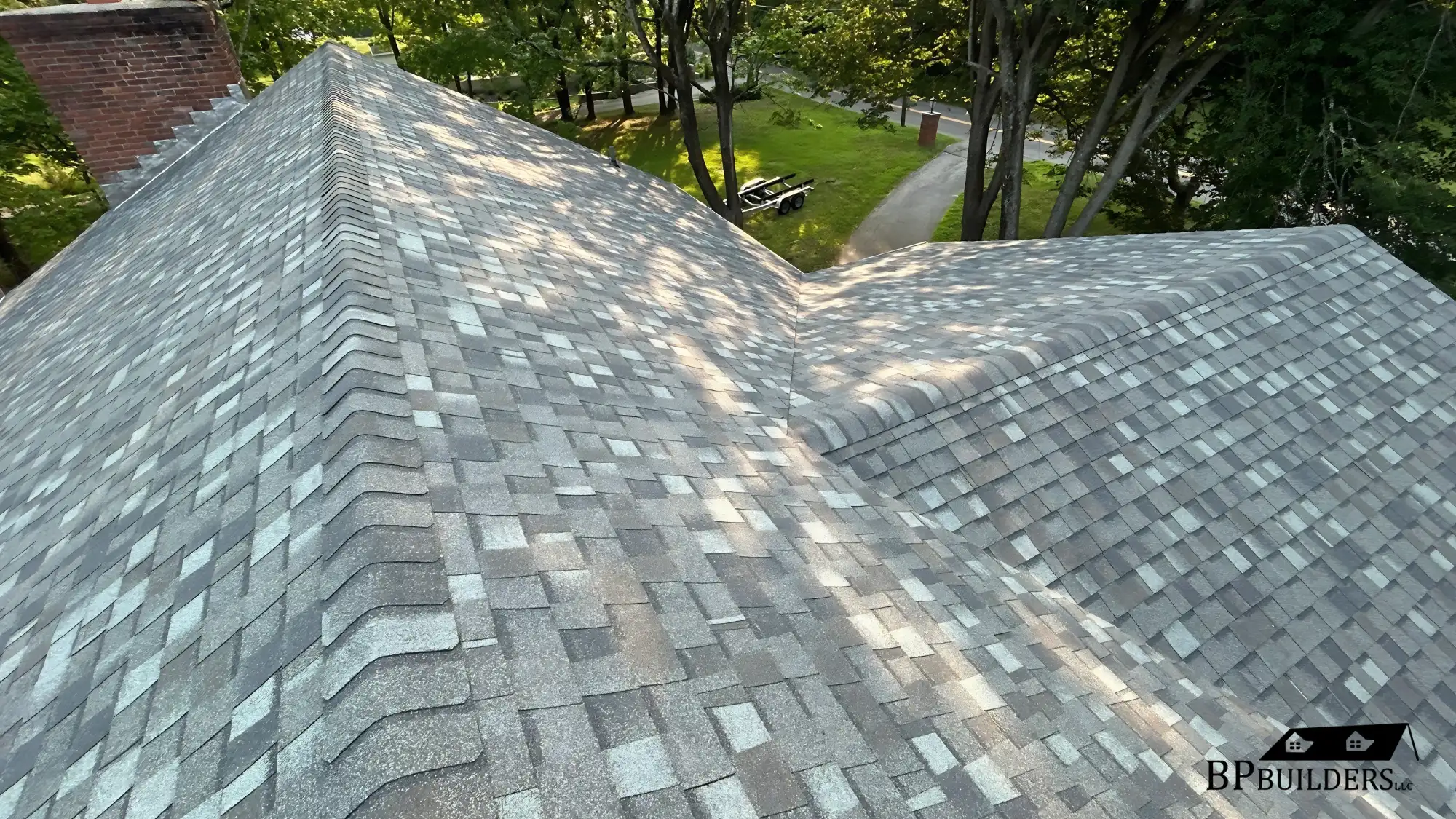
For asphalt-shingle roofs, an inspection may identify:
- Missing or displaced shingles
- Cracking or curling
- Blistering or other deterioration
- Uneven or excessive granule loss
- Visible storm or impact damage
- Areas affected by previous repairs
Not every damaged shingle means a roof needs replacement. The appropriate response depends on the extent of the damage and the overall condition of the roofing system.
Gutter and Downspout Function
Gutters and downspouts help direct roof runoff away from the building.
Visible concerns can include debris accumulation, loose or sagging sections, damaged components, or drainage conditions that interfere with normal water flow.
Gutter conditions should be considered alongside the roof and overall drainage system rather than evaluated in isolation.
3. Identifying Hidden Moisture
Moisture problems are not always visible from the exterior surface of a roof. Water can sometimes travel through roofing or building materials before signs appear inside the home.
Depending on accessibility and the scope of the inspection, evaluation may include:
- Looking for visible stains or signs of previous water intrusion.
- Checking accessible attic or interior areas for moisture-related concerns.
- Looking for mold or mildew-like growth that may indicate excess moisture.
- Evaluating visible roof penetrations and other areas where leaks may develop.
- Considering ventilation and insulation conditions when relevant to the roofing concern.
Moisture or mold does not automatically mean the roof is leaking. Plumbing problems, condensation, indoor humidity, ventilation conditions, and other sources may also contribute.
If additional diagnostic testing is necessary, homeowners should ask what methods or equipment will be used rather than assuming every inspection includes specialized moisture-detection technology.
4. Common Roofing Problems Detected
A professional roof inspection can uncover different conditions depending on the property’s roofing system, age, maintenance history, and weather exposure.
Potential concerns may include:
- Missing or damaged roofing materials
- Deteriorated flashing
- Evidence of moisture intrusion
- Drainage concerns
- Visible roof-deck deterioration where accessible
- Damaged vents or roof penetrations
- Animal-related damage
- Attic ventilation or insulation concerns when relevant and accessible
Finding one of these conditions does not necessarily mean extensive roof repairs are required. A roofing professional can evaluate the extent of the problem and discuss appropriate options.
5. Benefits of Hiring Local Roofing Inspectors
Finding “roofing inspectors near me” in Waterford, CT, can make it easier to work with a roofing contractor familiar with homes and weather conditions in southeastern Connecticut.
When comparing local roofing professionals, consider:
- Experience with the roofing material on your home
- Knowledge of regional weather conditions
- Applicable licensing and insurance
- Roofing credentials or manufacturer certifications
- Customer reviews and references
- Clarity of inspection findings and estimates
- Available repair and replacement services
Local availability can be convenient, but inspection and service response times vary based on weather, workload, project requirements, and scheduling.
FAQ: Common Questions About Roofing Inspections
How often should I have my roof inspected?
There is no universal twice-a-year inspection requirement for every roof. Appropriate inspection frequency depends on factors such as roof age, material, condition, manufacturer recommendations, previous damage, and exposure to severe weather.
An inspection may also be appropriate after a significant storm or whenever you notice leaks, damaged shingles, unusual staining, or other changes.
What should I do if the inspection finds issues?
Ask the roofing professional to explain the findings, severity of the problem, and available options.
Depending on the condition, recommendations could range from monitoring or maintenance to localized repairs or more extensive roofing work. Not every issue requires immediate replacement.
How long does a typical roof inspection take?
Inspection time varies according to the roof’s size, configuration, accessibility, condition, and the scope of the evaluation.
Rather than expecting every inspection to take 45 minutes to an hour, ask the roofing professional what to expect for your particular property.
Are fall inspections different from other seasonal checks?
The basic components being evaluated may be similar throughout the year, but a fall inspection can place additional attention on conditions that may become important during colder weather.
Existing roof damage, drainage concerns, moisture intrusion, and other issues may deserve attention before periods of snow, ice, freezing temperatures, and winter storms.
Does finding roof damage mean I need a replacement?
Not necessarily. Some roofing problems may be suitable for localized repair, while widespread deterioration or other significant conditions may make replacement worth considering.
The roof’s age, material, overall condition, extent of damage, and underlying components should be evaluated before determining the appropriate approach.
If you’re concerned about the condition of your roof before winter, a professional inspection can help you better understand what may require attention.
For homeowners searching for “roofing inspectors near me” in Waterford, CT, contact BP Builders to discuss your roofing concerns, request an inspection, or receive an estimate for recommended roofing work.