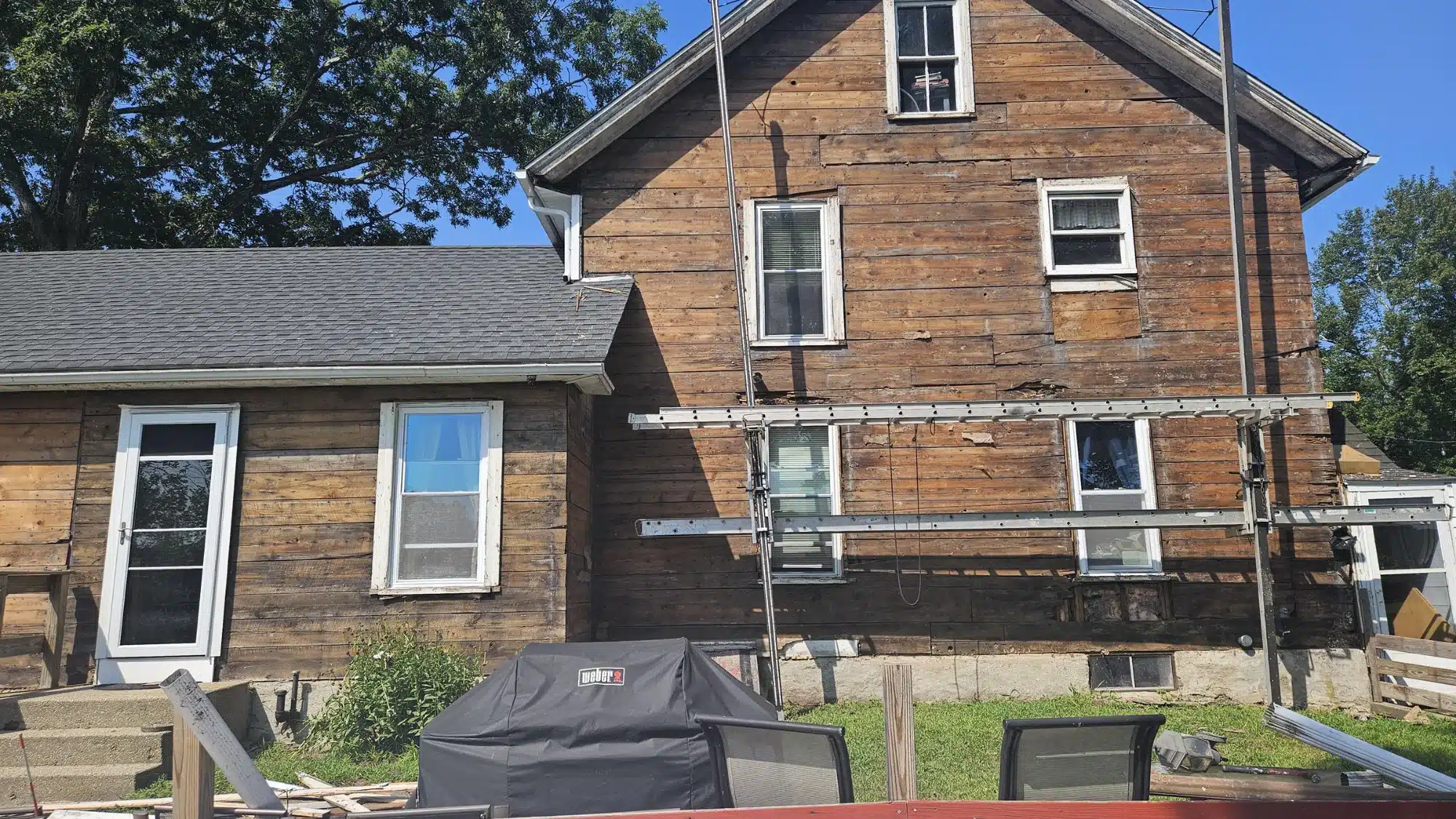
November is a practical time to examine your home’s exterior before Connecticut winds, snow, and freezing temperatures arrive. Cracked panels, loose trim, or recurring stains can signal problems worth investigating before winter limits access.
At JS and R Roofing, we help homeowners evaluate vinyl siding in CT and consider whether damaged areas need attention or a larger replacement project.
Look for Cracks, Holes, and Loose Panels
Vinyl siding expands and contracts as temperatures change. Proper installation accommodates this movement, but damaged or incorrectly fitted panels may crack, buckle, or pull away.
From the ground, check for:
- Cracked panels or visible holes
- Loose edges that move in windy weather
- Buckling or unusual ripples across walls
- Missing trim around corners or windows
- Pieces that appear separated after storms
Avoid pulling off panels or climbing ladders to inspect elevated walls. Photograph visible changes for a contractor to review.
Our vinyl siding maintenance article explains why regular observation and care matter.
Distinguish Fading from Material Failure
Sunlight can gradually change siding color. Fading alone does not necessarily mean the material requires replacement.
More concerning signs include brittle panels, repeated cracking, and sections that no longer remain properly attached.
Our vinyl siding benefits guide reviews durability, appearance, and material considerations for Connecticut homes.
Investigate Stains and Possible Moisture Problems
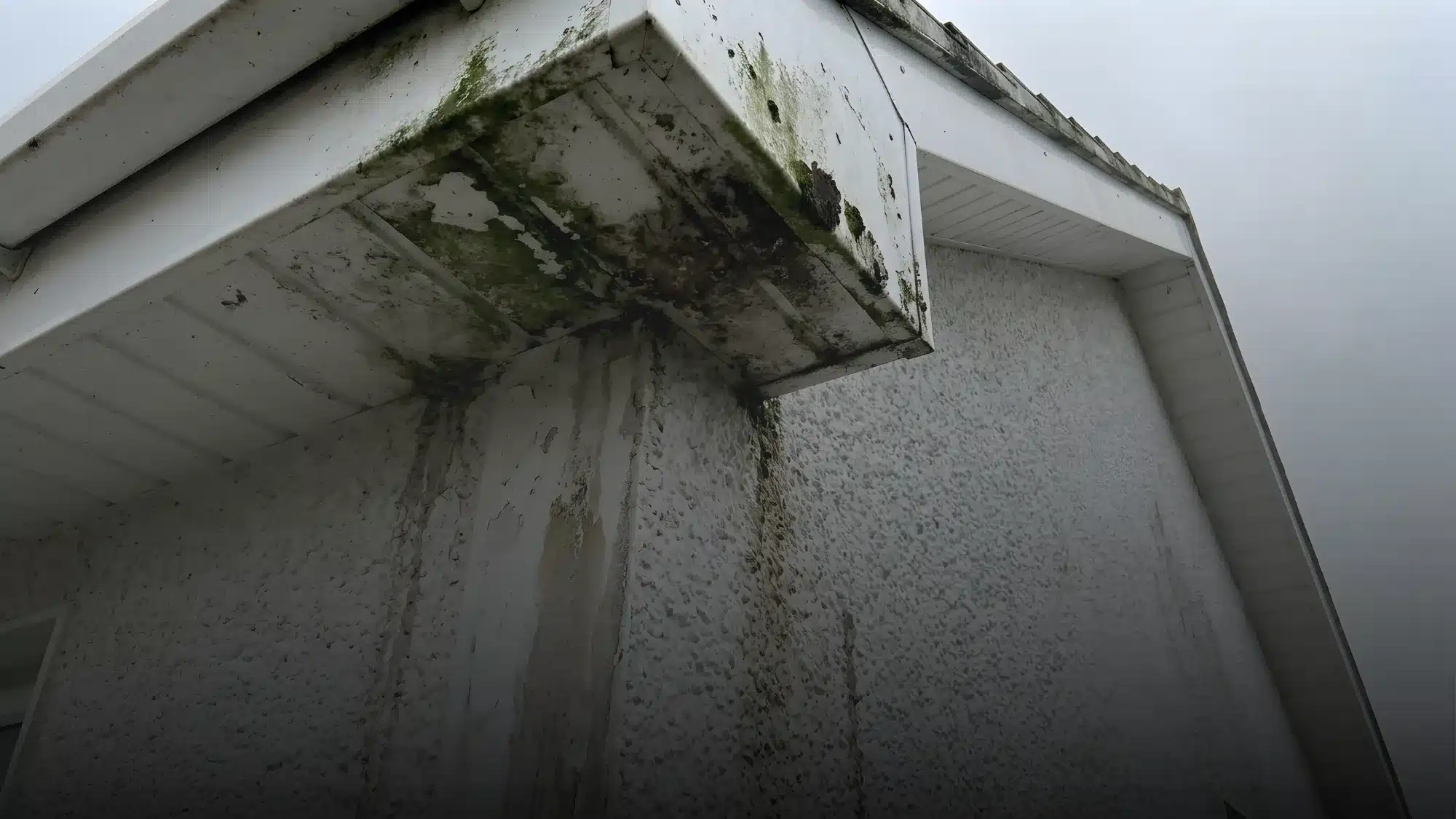
Dark streaks may come from dirt, algae, or other surface growth. They are not proof that water has entered the wall or that hidden mold is present.
However, recurring staining near windows, doors, and trim deserves closer attention, especially when accompanied by soft materials or interior dampness.
Vinyl siding sheds much of the weather, but flashing, drainage details, and the water-resistive barrier behind it are also important. Covering a gap with caulk without understanding its purpose can interfere with necessary drainage.
Consider Energy Bills in Context
Higher heating bills can reflect weather, fuel rates, equipment operation, air leaks, or insulation problems.
Standard vinyl panels alone provide limited insulating value. If drafts or cold walls concern you, ask about the broader wall assembly rather than assuming siding is the cause.
Decide Whether Replacement Is Appropriate
Individual damaged panels may sometimes be replaceable, depending on product availability and surrounding conditions. Widespread brittleness, repeated wind damage, or deterioration behind panels may justify a larger project.
Our siding contractor selection guide explains questions to ask about materials, installation, and written estimates.
Before winter, take these steps:
- Photograph visible damage from a safe location.
- Note whether problems worsen after storms.
- Check for interior stains near affected walls.
- Request a professional siding assessment.
- Discuss repair feasibility and replacement options.
Ask whether a proposed replacement includes checking flashing and moisture-management details. Understanding what lies behind the existing siding can help you evaluate the full project scope.
Learn more about JS and R Roofing and our exterior improvement work.
Frequently Asked Questions
How often should I check my vinyl siding?
Inspect accessible areas periodically, especially before winter and after significant storms.
Can I repair vinyl siding myself?
Cleaning and basic observation are reasonable. Damaged or elevated panels and suspected moisture problems warrant professional evaluation.
What is the lifespan of vinyl siding?
Lifespan varies with product quality, installation, exposure, and maintenance. There is no guaranteed replacement age.
When should I entirely replace my vinyl siding?
Consider replacement when damage is widespread, panels are brittle, or underlying problems make localized repairs impractical.
Contact JS and R Roofing
If you’re concerned about vinyl siding in CT, our team can discuss the condition of your exterior and possible replacement options. Contact JS and R Roofing or call (860) 822-1204 to request information about an assessment.