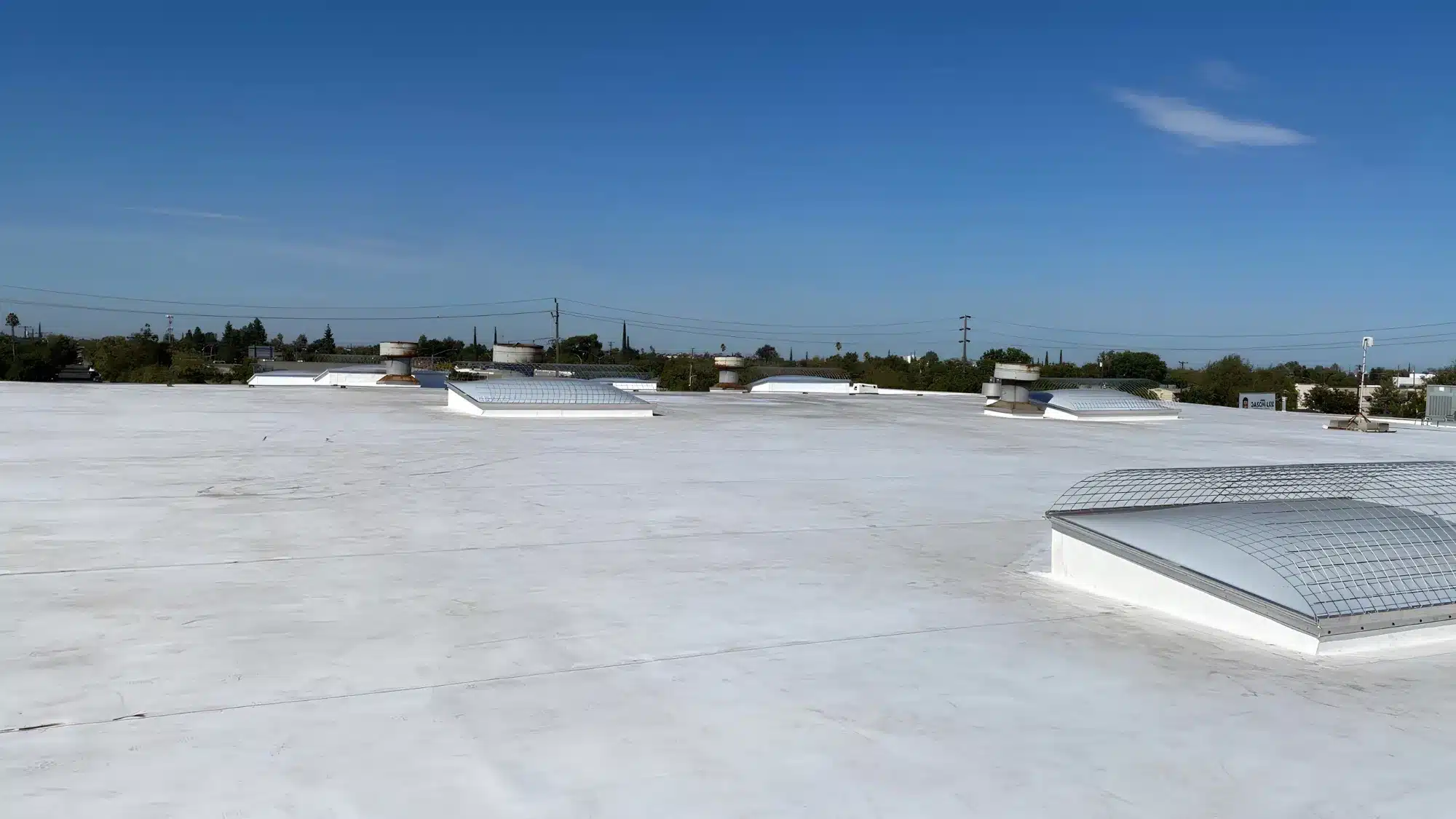
November is an important time for California property owners to evaluate commercial roofing systems before seasonal rainfall increases. Choosing the right TPO contractor can influence roof durability, moisture protection, and future maintenance expenses.
At Peterson Roofing in Modesto, CA, we help commercial property owners compare roofing solutions, installation requirements, and warranty options before starting projects.
Understand What Makes TPO Roofing Different
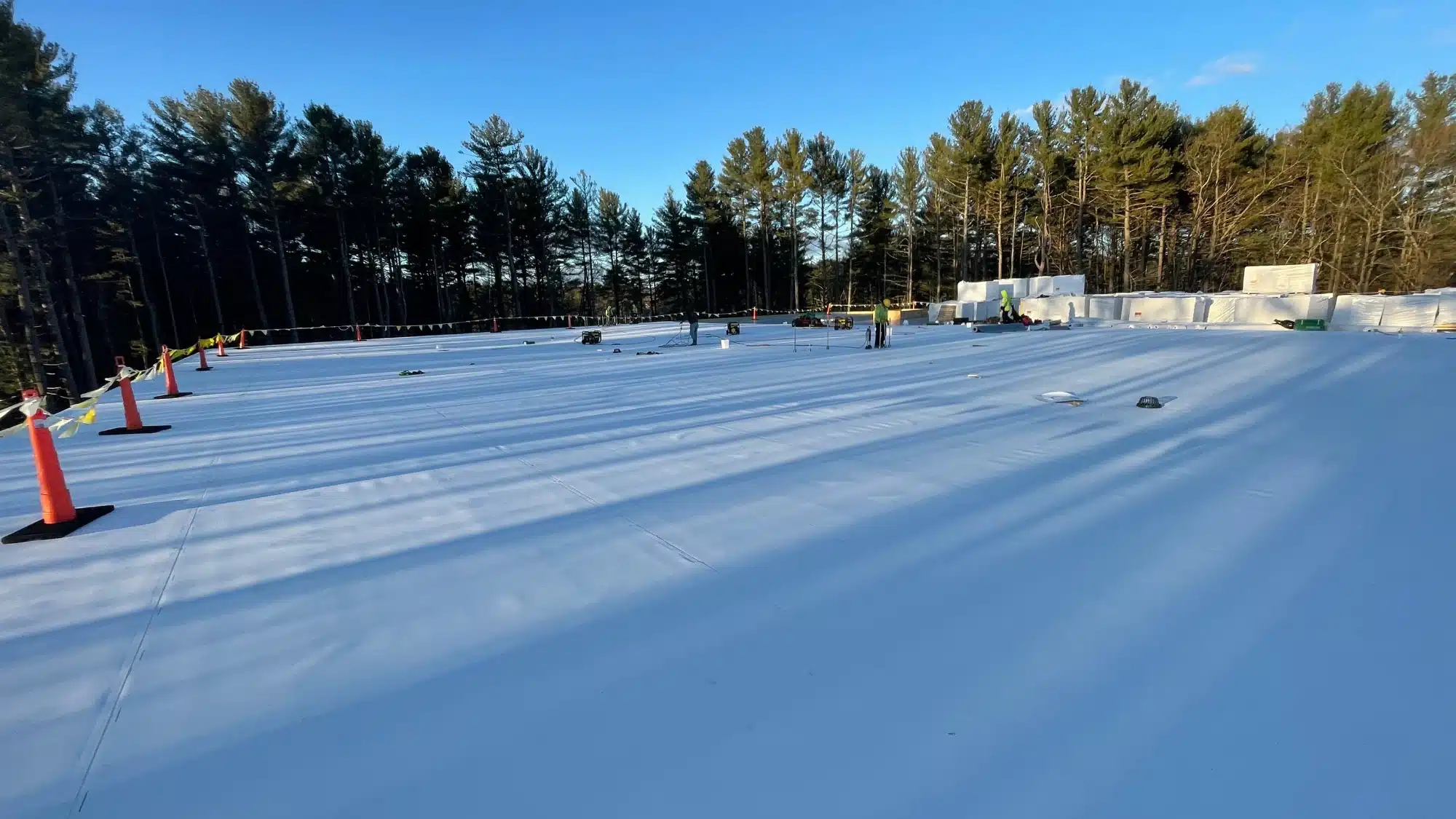
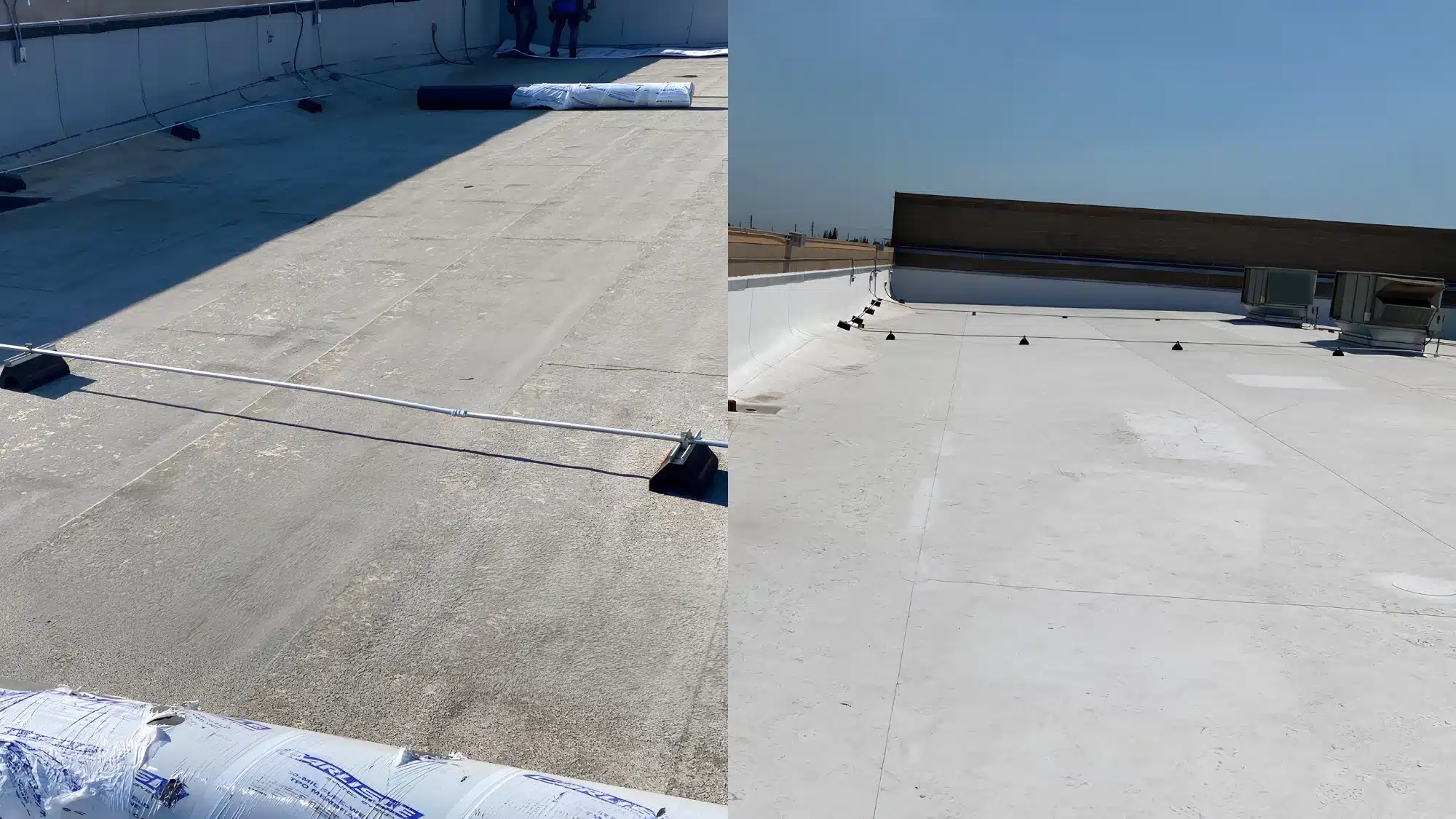
Thermoplastic polyolefin, commonly called TPO, is a single-ply roofing membrane used on flat and low-slope commercial buildings.
Its reflective surface can help reduce solar heat absorption, potentially lowering cooling demands in suitable buildings.
When comparing “TPO roofing companies near me”, evaluate experience, installation procedures, and product specifications rather than price alone.
Why Installation Methods Matter
TPO systems can be installed using different attachment methods depending on building design and manufacturer requirements.
Common approaches include:
- Mechanically attached systems secured with approved fasteners.
- Fully adhered systems using compatible adhesives.
- Induction-welded systems using specialized attachment methods.
Each option has different requirements involving wind resistance, substrate conditions, and installation procedures.
Contractors should explain why their recommended method suits your building.
Examine Seam Welding and Waterproofing
TPO membrane seams are typically joined through heat welding, forming continuous connections between membrane sections.
Improper welding can create weaknesses that allow water intrusion.
Ask contractors how they inspect seams, evaluate flashing connections, and verify installation quality.
Important areas include roof edges, penetrations, HVAC equipment, and drainage outlets.
Professional commercial roof inspections can help identify installation concerns and existing vulnerabilities.
Consider Insulation and Drainage Requirements
Insulation supports thermal performance and provides an appropriate foundation for certain roofing assemblies.
However, insulation selection depends on building requirements, existing conditions, and applicable codes.
Drainage is equally important because persistent ponding water can contribute to premature roofing deterioration.
Before installation, ask whether the proposal addresses:
- Existing insulation condition.
- Appropriate insulation thickness.
- Roof slope and drainage performance.
- Flashing and penetration details.
- Potential moisture beneath existing materials.
A complete assessment helps determine the appropriate roofing approach.
Compare Manufacturer and Workmanship Warranties
Roofing warranties should be reviewed carefully before approving a project.
Manufacturer material warranties may address qualifying product defects, while workmanship warranties cover specified installation-related problems.
Some systems qualify for broader manufacturer-issued coverage, including no-dollar-limit warranties.
Peterson Roofing’s completed Modesto TPO project includes a documented 20-year NDL warranty.
However, coverage varies by project, product, and contract.
Always request written terms explaining exclusions, duration, inspection requirements, and claim procedures.
Evaluate Maintenance and Long-Term Costs
Installation quality matters, but ongoing maintenance also influences roofing performance.
Routine inspections can identify punctures, deteriorated flashing, blocked drains, and seam problems before extensive damage develops.
Peterson Roofing offers commercial roof maintenance services to help property owners monitor roof conditions.
When researching “TPO roofing companies near me,” compare maintenance expectations alongside installation costs and warranties.
FAQs
What is TPO roofing?
TPO is a single-ply thermoplastic membrane commonly used on commercial roofs for weather resistance and reflective performance.
How does TPO compare to other roofing materials?
TPO offers reflective properties and welded seams. Costs and durability vary compared with PVC, EPDM, and other systems.
What warranties should I expect with a TPO roof?
Ask about material, workmanship, and available system warranties. Coverage depends on the manufacturer and installation specifications.
How do I maintain my TPO roof?
Schedule regular inspections, keep drainage systems clear, and address membrane damage promptly. Follow applicable warranty maintenance requirements.
Discuss TPO Roofing with Peterson Roofing
Choosing a qualified contractor helps protect your commercial roofing investment.
Contact Peterson Roofing in Modesto, CA, or call (209) 596-4889 to discuss installation methods, warranty options, and project estimates.